Assessing the root cause of a blade defect


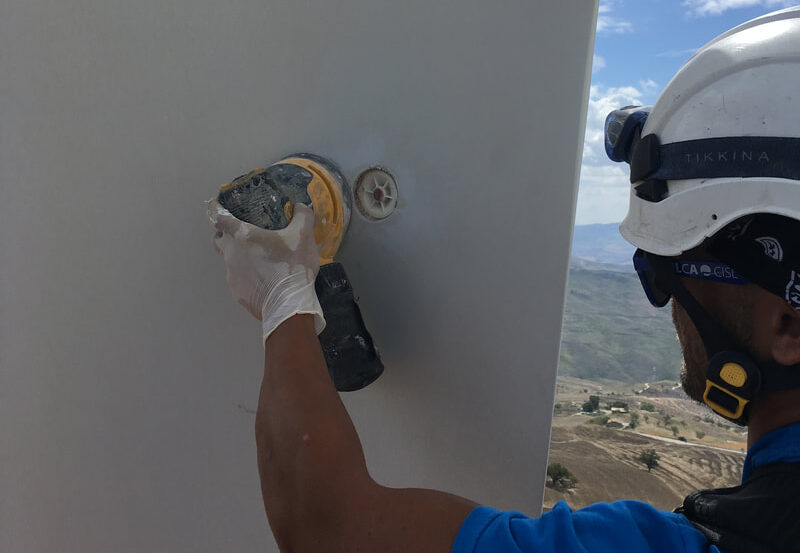
A 2.0 MW V90 turbine, commissioned in 2008, experienced a shell debond from the boxbar, leading to concerns about the integrity of the blade and the potential for similar issues across other assets.
A 2.0 MW V90 turbine, commissioned in 2008, experienced a shell debond from the boxbar, leading to concerns about the integrity of the blade and the potential for similar issues across other assets.
A 1.7 MW wind turbine with 50.2 m blades suffered damage when approximately 0.5 m of the pressure side shell at the tip was torn away by a lightning strike. The trailing edge was also separating as the blade rotated, putting the turbine at risk of downtime.
Challenge
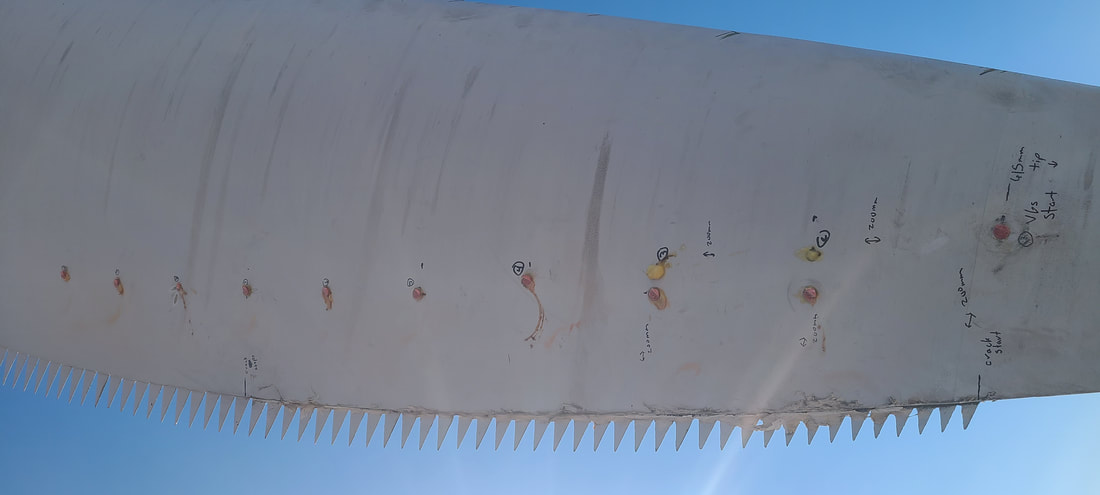
A 5 MW wind turbine with 59.5 m blades, commissioned in 2013, was being curtailed due to blade overload. An open trailing edge in the mid-span region increased structural risk and limited safe operation, reducing turbine availability.
Solution
Our team completed a root cause analysis and applied D-TE™ to 90 blades to eliminate the open trailing edge and restore blade integrity. The solution was designed to remove the overload risk and enable normal turbine operation without requiring structural repair.
Impact
The intervention increased turbine availability and eliminated the risk of further asset damage. The certification body confirmed that the D-TE™ solution did not affect the blade’s load-carrying capability, providing assurance of long-term operational safety.
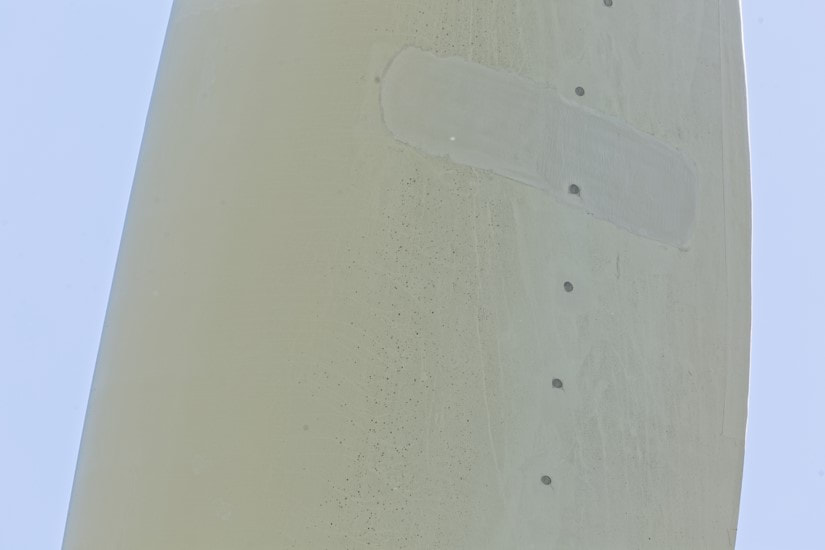
A 1.5 MW wind turbine with 37 m blades, commissioned in 2007, had developed multiple transverse cracks in the maximum chord region.
A 0.9 MW wind turbine with 27 m blades, commissioned in 2012, was being curtailed due to blade overload in strong winds. The turbine risked reduced energy production and operational inefficiency.
A 1.5 MW wind turbine with 34 m blades, commissioned in 2003, was experiencing open trailing edges. The operator sought stronger blades with higher resistance tolerances and aimed to extend the operational life of existing blades by an additional 10 years.
A 2.0 MW wind turbine, commissioned in 2014 with 47.5 m blades, was experiencing a transverse crack in the midspan section along with an open trailing edge. The issue risked significant production losses and recurring repair costs.
London, 29 November 2024 – RES, the world’s largest independent renewables company, has acquired Danish wind turbine blade engineering specialist, Bladena, further strengthening its suite of advanced digital solutions.
Established in Denmark in 2011, Bladena provides engineering expertise to minimise the risk of blade failures for wind farm owners through the entire lifetime of a wind turbine blade. These include proprietary technologies including D-String®, D-TE™, X-Stiffener™, and The RTZ Solution™ that can identify, assess and address blade issues and extend asset lifetimes.
Turbine blades account for approximately 27% of unplanned wind energy O&M costs, and with modern blades exceeding 60 metres in length and their numbers expected to triple over the next decade, addressing early lifecycle challenges is critical to extend turbine asset lifecycles and improve operational reliability.
The acquisition follows closely behind RES’ recent integration with Swiss drone inspection company, Sulzer Schmid, and further strengthens its digital solutions and services businesses.
Eduardo Medina, CEO RES, said: “As we continue to grow, we remain committed to bringing in technologies that provide value to our customers around the world. Acquiring Bladena is a significant step forward for RES as we scale and equip our business to meet growing market demand for digital services and blade maintenance. I look forward to welcoming our new colleagues as we continue our mission to deliver affordable zero carbon energy to communities around the world.”
Arun Narayanan, Digital Solutions CEO, RES added: “Through Bladena we will add industry leading blade technology and engineering expertise to our existing range of solutions such as AnemoLive, AeroUp and TuneUp, which have been shown to drive increased annual energy production. Our customers will now be able to better manage blades and improve turbine reliability, helping reduce costs, enhance revenue, and maximise the value of their investments.”
RES currently supports 41GW of operational assets globally, and over its 40+ year history has developed and/or constructed over 26GW of renewable assets – enough to power 25 million homes for a year. Through the recent acquisitions of Ingeteam and Sulzer Schmid, RES has an enhanced digital solutions and services offering that will serve current and future customers. The company has a development pipeline of 22GW across a range of renewable technologies, due to come to market within the next five years.
ENDS
About RES
RES is the world’s largest independent renewable energy company, working across 24 countries and active in wind, solar, energy storage, green hydrogen, transmission, and distribution. An industry innovator for over 40 years, RES has delivered more than 26 GW of renewable energy projects across the globe and plans to bring more than 22 GW of new capacity online in the next five years.
As a service provider, RES has the skills and experience in asset management, operations and maintenance (O&M), and spare parts – supporting 41GW of renewable assets across 1,300 sites. RES brings to the market a range of purposeful, practical technology-based products and digital solutions designed to maximize investment and deployment of renewable energy.
RES is the power behind a clean energy future where everyone has access to affordable zero carbon energy bringing together global experience, passion, and the innovation of its 4,500 people to transform the way energy is generated, stored and supplied. Visit: www.res-group.com
Media contacts
RES
Rachel Anderson
[email protected]
Rory Brown
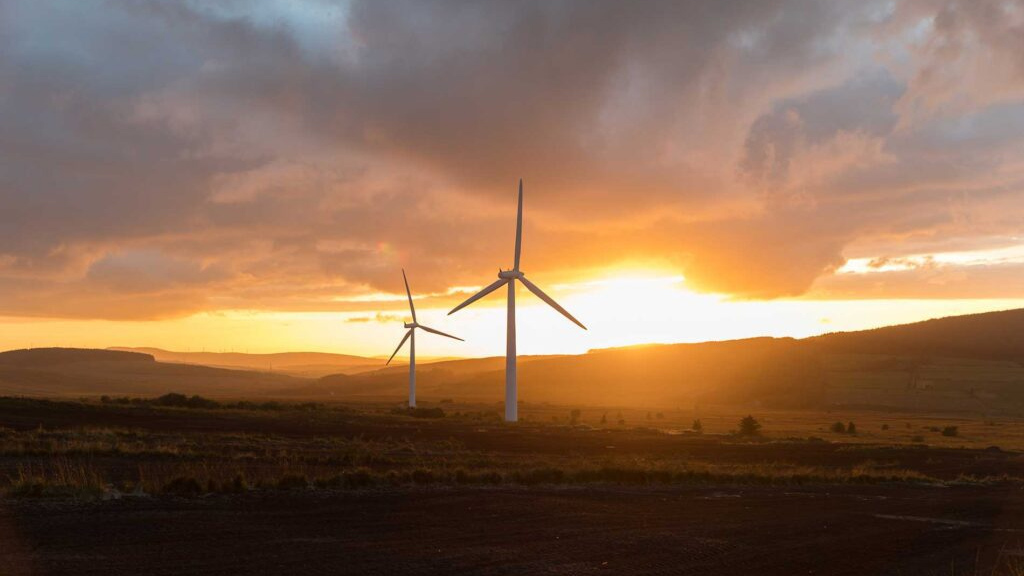
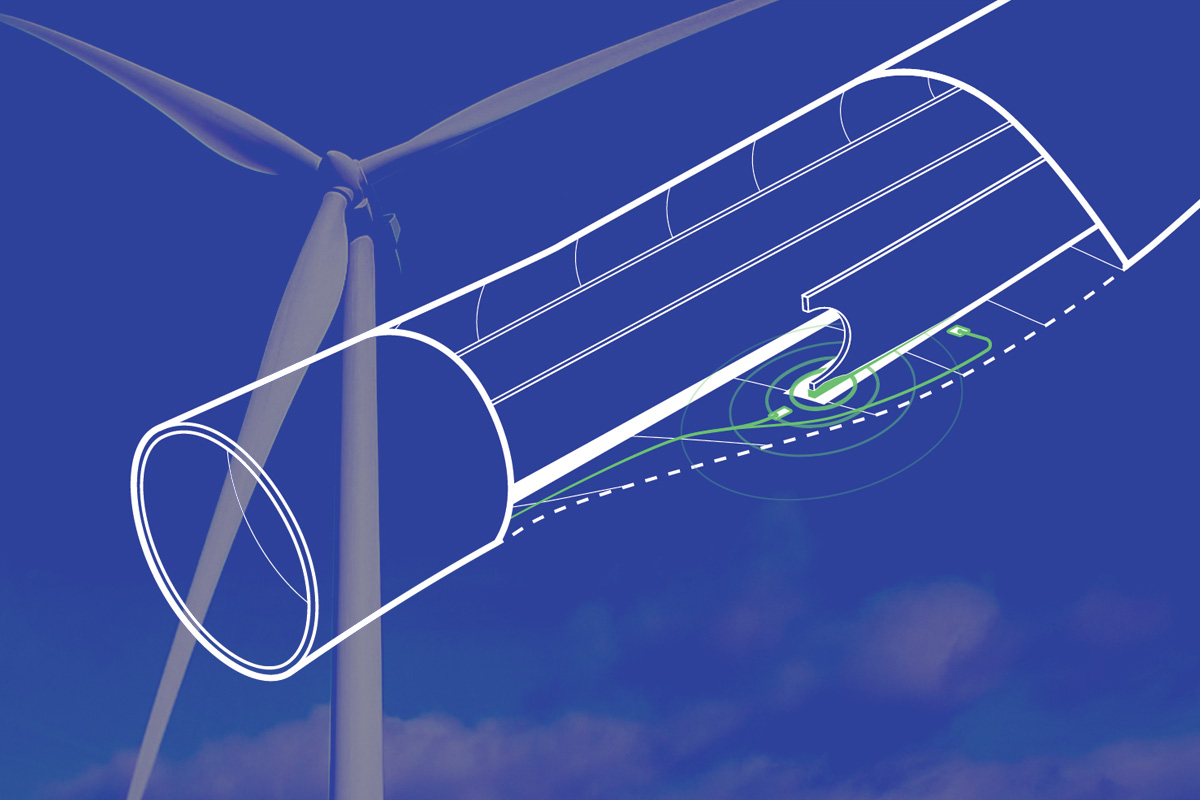
As part of the CORTIR III project supported by the EUDP (Energy Technology Development and Demonstration Program), we have performed a field measurement campaign on the 7MW ORE Catapult Levenmouth Demonstration Turbine in Scotland, featuring 83.5-meter blades.